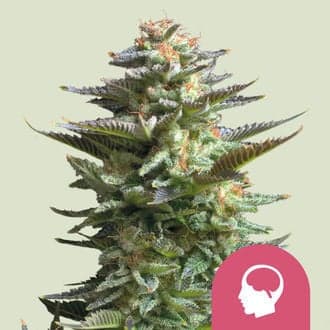
Enemy of the State: Old-School Indica Power
Enemy of the State is a throwback to classic North American indica breeding—a no-nonsense plant built for growers who want potent, reliable results without fussy genetics. This 100% indica phenotype combines robust plant vigour with genuine sedative force, delivering the kind of full-body relaxation that defines the best basement and garage grows across Canada. At 21% THC, she packs serious punch while remaining straightforward to cultivate, whether you're running a Maritime closet garden or a Prairie basement setup. Six to seven weeks from flipping the lights makes her a calendar-friendly choice for anyone managing a tight seasonal window.
Growing Enemy of the State in Canadian Spaces
This strain thrives under standard indoor conditions and demands minimal hand-holding. Plant her in well-draining soil or coco, maintain 18–24°C night temperatures, and she'll respond with healthy branching and solid internode spacing. Indoor growers in humid regions (BC coastal grow rooms, Ontario basements prone to dampness) will appreciate her natural mould resistance—a genuine asset during peak flowering. Outdoor cultivation suits growers in warmer microclimates; shorter growing seasons across the Prairies and Maritimes are fine if you start seedlings indoors under lights and transplant after frost risk passes. She typically finishes in September, well ahead of October rains. Expect strong, stocky plants with dense lateral branching; minimal pruning keeps airflow tight around flowering sites.
Effects, Flavour & Best Moments
Enemy of the State delivers a classic, unadorned high—the kind that pins you to the couch and makes conversation optional. Expect heavy limb weight, mental quietness, and a gravitational pull toward rest. Flavour leans earthy and slightly spiced, with subtle herbal undertones and a dry finish. Best enjoyed in the evening, after tasks are done; this is weekend-afternoon material for growers in regions where outdoor time is precious and short. The high lasts a solid 2–3 hours, making her ideal for unwinding after long Canadian winters.